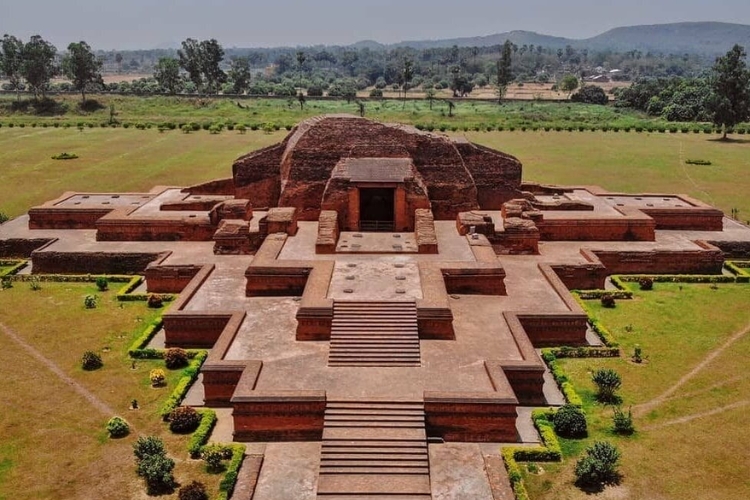
Famous & Cultural Places of Bihar
Bihar is an ancient land of learning, faith and living history. From the place where the Buddha attained enlightenment to ruins of some of the world’s earliest universities, Bihar offers rich cultural experiences for pilgrims, history lovers and casual travellers alike. Below are seven iconic places in Bihar you can include on a cultural itinerary.
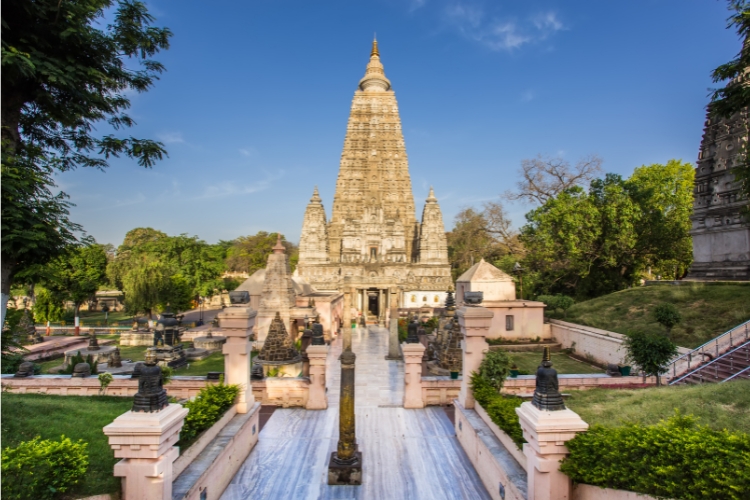
1. Bodh Gaya — Mahabodhi Temple (The Buddha’s enlightenment)
Bodh Gaya is the most important Buddhist pilgrimage site in the world: this is where Siddhartha Gautama attained enlightenment under the Bodhi tree. The Mahabodhi Temple complex, dominated by its soaring brick temple and the sacred Bodhi tree, is a UNESCO World Heritage Site and a tranquil place for meditation and reflection. Many countries maintain monasteries here, giving the town an international, peaceful atmosphere.
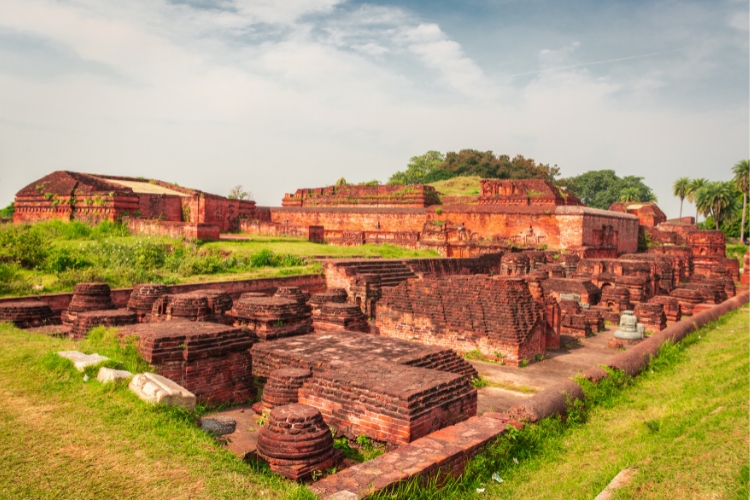
2. Nalanda — Ruins of an ancient university
Nalanda was one of the world’s earliest and most prestigious centres of higher learning, active from around the 3rd century BCE to the 13th century CE. The archaeological ruins — stupas, temples and monastic complexes — give a vivid sense of the campus life that once drew students and scholars from across Asia. Today Nalanda is a UNESCO World Heritage Site and must-see for anyone interested in India’s scholarly past.
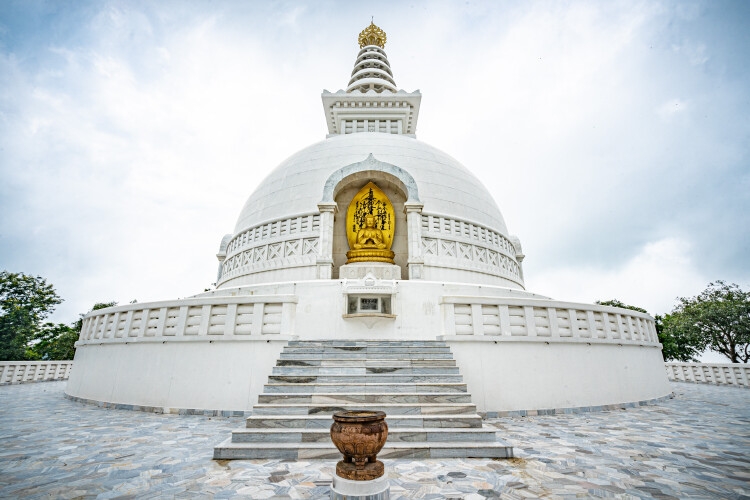
3. Rajgir — Ancient capital, hot springs and the Vishwa Shanti Stupa
Rajgir (near Nalanda) is steeped in both Buddhist and Jain history. It was an ancient capital and features sites such as Gridhra-kuta (where Buddha is believed to have preached), natural hot springs, and the white Vishwa Shanti (World Peace) Stupa built atop a hill with panoramic views. A ropeway makes reaching the stupa easier and the surrounding hills are peaceful for short treks.
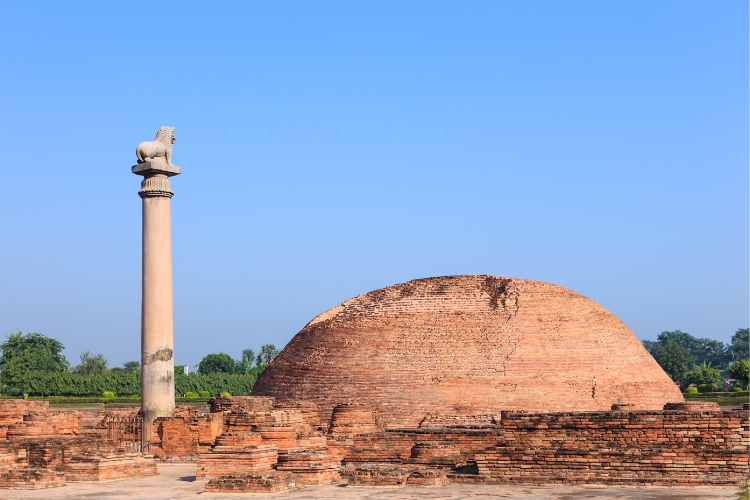
4. Vaishali — Republic, relics and Ashoka’s pillar
Vaishali is an archaeological and pilgrimage site associated with both Buddhism and Jainism: it was the capital of the ancient Licchavi republic and the birthplace of Lord Mahavira (Jainism). Key sights include the relic stupa, the Ashoka Pillar and other ruins that highlight Vaishali’s importance in early Indian civic and spiritual history.
5. Barabar Caves — India’s earliest rock-cut architecture
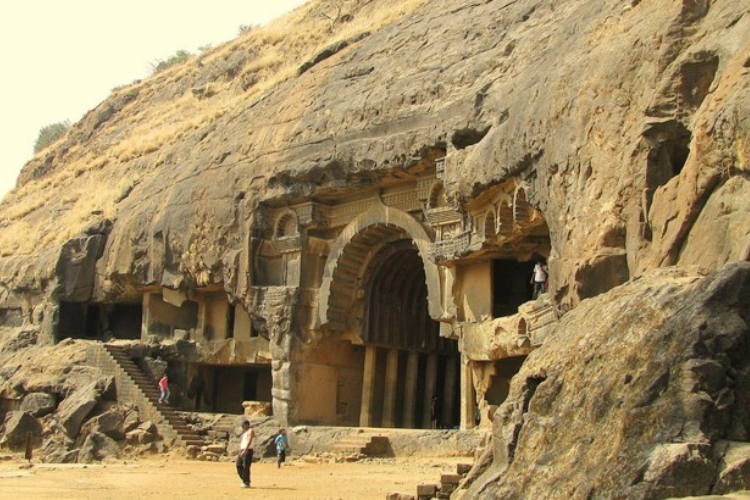
The Barabar Hill caves (near Jehanabad) are among the oldest surviving rock-cut chambers in India (Mauryan period). With exquisitely carved entrances such as Lomas Rishi and ancient inscriptions attributed to Ashoka and his successors, the caves are architecturally and historically significant — a quiet, offbeat destination for those fascinated by ancient engineering and inscriptions.
6. Takht Sri Patna Sahib — Sikh heritage in Patna
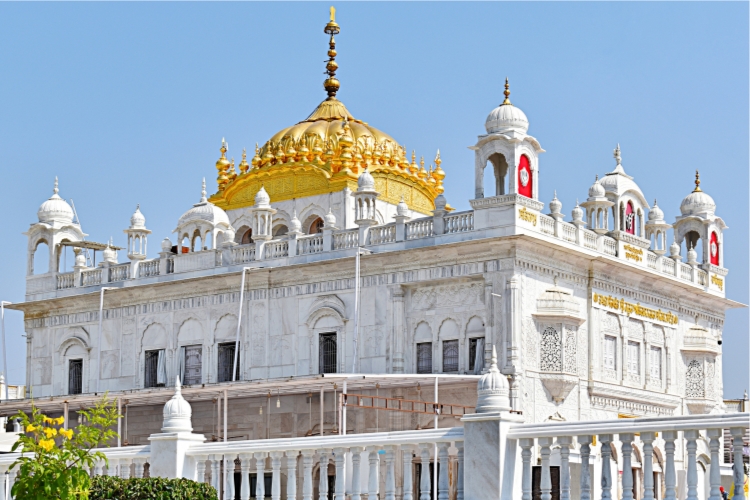
Located in Patna, Takht Sri Patna Sahib is one of the five Takhts (seats of authority) in Sikhism and the birthplace of Guru Gobind Singh. The gurdwara’s golden domes and grand architecture make it an important pilgrimage and cultural site; it also hosts vibrant festivals and commemorations that reflect Bihar’s plural religious heritage.
7. Vikramshila — Ruins of a Pala-era learning centre
Vikramshila, founded during the Pala dynasty, rivalled Nalanda as a great Buddhist seat of learning. Today its ruins — foundations of temples, monasteries and stupas — recall its role as a major intellectual and religious centre in eastern India. Visiting Vikramshila gives insight into the broader network of ancient universities that once flourished across Bihar.